
What is earthworks: essential guide for Auckland projects
- Jay Price
- Mar 14
- 7 min read

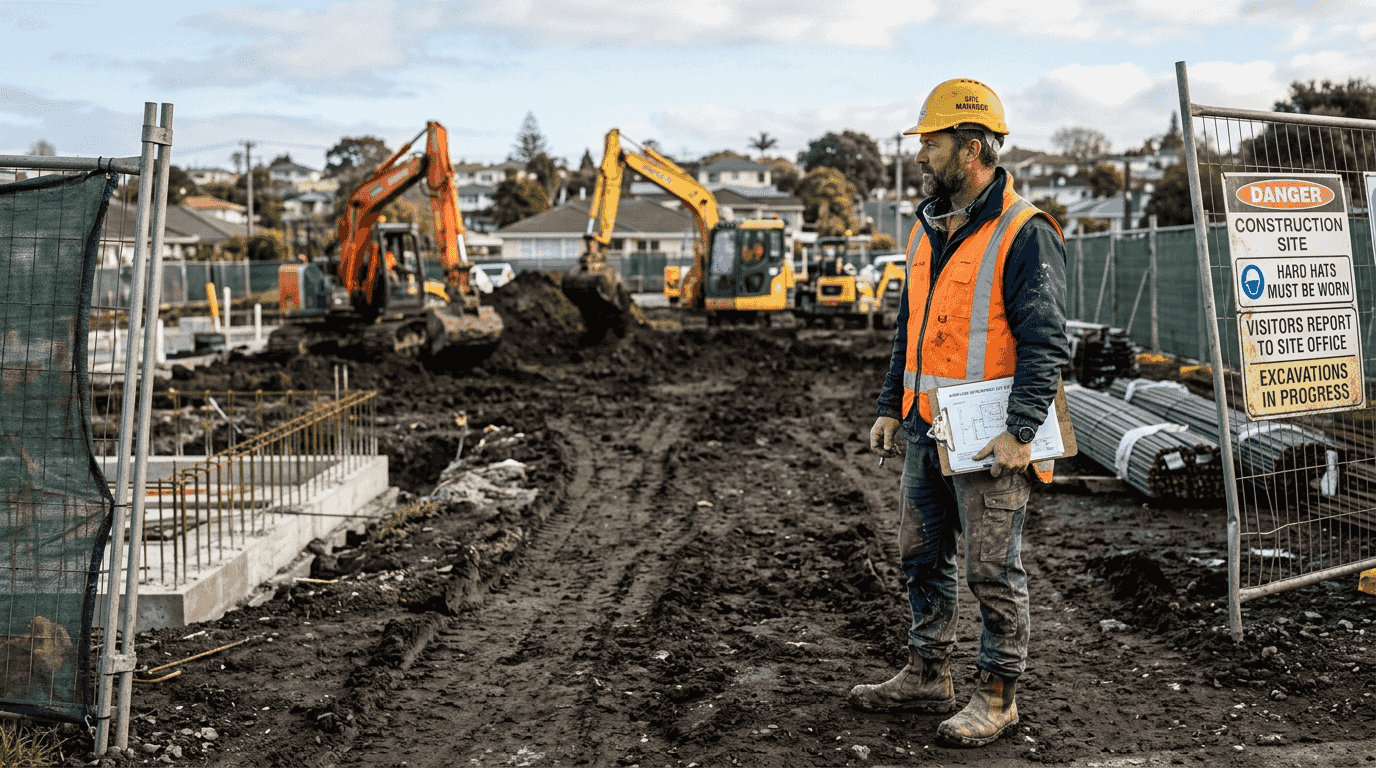
Many people assume earthworks is simply digging holes and moving dirt around a construction site. In reality, it’s a comprehensive site preparation process that forms the foundation of every successful building project in Auckland. Understanding what earthworks involves, from excavation and grading to compaction and drainage preparation, is vital for property developers, residential builders, and commercial project managers to avoid costly mistakes and project delays. This guide explains what earthworks entails, explores its various types and processes, and clarifies why it matters for construction projects across Auckland’s diverse terrain and regulatory environment.
Table of Contents
Key takeaways
Point | Details |
Comprehensive process | Earthworks involves excavation, grading, and preparing land for construction, not just digging |
Stability foundation | Proper earthworks ensure construction stability and regulatory compliance in Auckland projects |
Contractor expertise | Choosing experienced contractors can save time and reduce project risks significantly |
Planning advantage | Understanding earthworks phases helps in effective project planning and management |
What is earthworks in construction?
Earthworks is the process of modifying the natural land surface to prepare for construction activities. It involves excavation, movement of soil, grading, and preparing a site for building to create a stable foundation that meets engineering and regulatory requirements. The goal extends beyond simple dirt removal to encompass soil stabilisation, levelling, and compaction that ensures long term structural integrity.
In Auckland, earthworks must account for specific local conditions including volcanic soil types, variable weather patterns, and stringent building codes. The region’s unique geology, featuring clay rich soils and areas of volcanic rock, demands specialised knowledge and equipment. Projects that skip proper earthworks or attempt shortcuts inevitably face problems like foundation settling, poor drainage, or structural instability that cost far more to remedy than doing it right initially.
The earthworks phase typically represents the first major construction activity on a site. It transforms raw land into a prepared building platform ready for foundations, utilities, and structures. This stage is critical to prevent future structural issues like uneven settling, water infiltration, or drainage problems that compromise building safety and longevity.
Key earthworks activities include:
Clearing vegetation and topsoil removal
Excavating to required depths for foundations and services
Grading and levelling to achieve proper site contours
Compacting soil to specified density standards
Installing drainage infrastructure and erosion controls
Pro Tip: Always engage earthworks contractors Auckland specialists early in project planning to identify potential soil or drainage challenges before they impact timelines or budgets.
Types of earthworks services and processes
Earthworks encompasses several distinct services and processes, each serving specific purposes in preparing construction sites. Understanding these types helps project managers plan effectively and communicate requirements clearly with contractors.
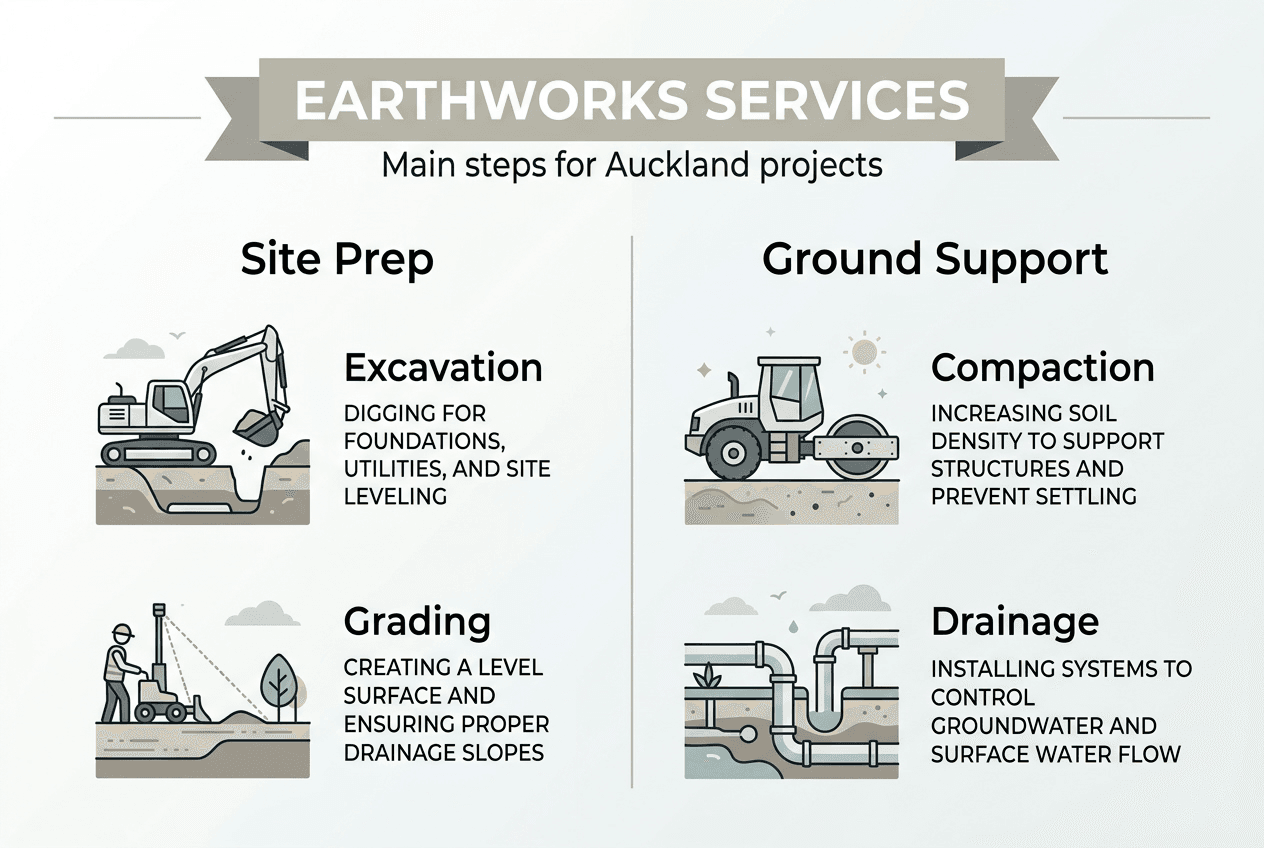
1. Excavation Excavation involves removing soil to shape the land for foundations, basements, or utility installations. Contractors use excavators, bulldozers, and loaders to dig to precise depths and dimensions. The excavation, grading, compaction, and drainage preparation work must follow engineering specifications to ensure structural adequacy. Excavation depth and method depend on soil type, water table levels, and intended building load.
2. Grading Grading involves levelling and contouring the site to achieve proper drainage slopes and building placement. This process ensures water flows away from structures and prevents pooling that causes erosion or flooding. Graders and bulldozers shape the land to match architectural and engineering plans, creating smooth transitions between different elevation zones.
3. Compaction Compaction compresses soil particles to increase density and load bearing capacity. Rollers and compactors apply pressure to eliminate air pockets and achieve specified compaction rates, typically 95% or higher of maximum dry density. Proper compaction prevents future settling that causes cracks in foundations, driveways, or building structures.
4. Drainage groundwork Drainage preparation involves creating swales, installing underground pipes, and shaping land to manage stormwater effectively. Auckland’s high rainfall demands robust drainage systems to prevent site flooding and erosion. This work often includes installing sumps, catch basins, and connection points to municipal stormwater networks.
Service | Primary Purpose | Typical Equipment | Impact on Project |
Excavation | Remove soil for foundations | Excavators, loaders | Creates building platform |
Grading | Level and contour site | Graders, bulldozers | Ensures proper drainage |
Compaction | Increase soil density | Rollers, compactors | Prevents settling |
Drainage | Manage water flow | Trenchers, pipe layers | Protects from flooding |
Pro Tip: Request detailed site preparation services Auckland proposals that specify compaction testing methods and drainage design to ensure quality standards are met throughout the earthworks phase.
Why is earthworks critical for Auckland construction projects?
Earthworks forms the literal foundation of construction success. Skipping proper earthworks or attempting to cut corners inevitably leads to problems that cost exponentially more to fix than investing in quality preparation initially.
Structural stability and longevity Proper earthworks ensures building foundations rest on stable, adequately compacted soil that supports structural loads without settling. Auckland’s diverse soil types, from volcanic clay to sandy loam, each require specific preparation techniques. Buildings constructed on poorly prepared sites experience uneven settling, foundation cracks, and structural damage that compromise safety and require expensive remediation.
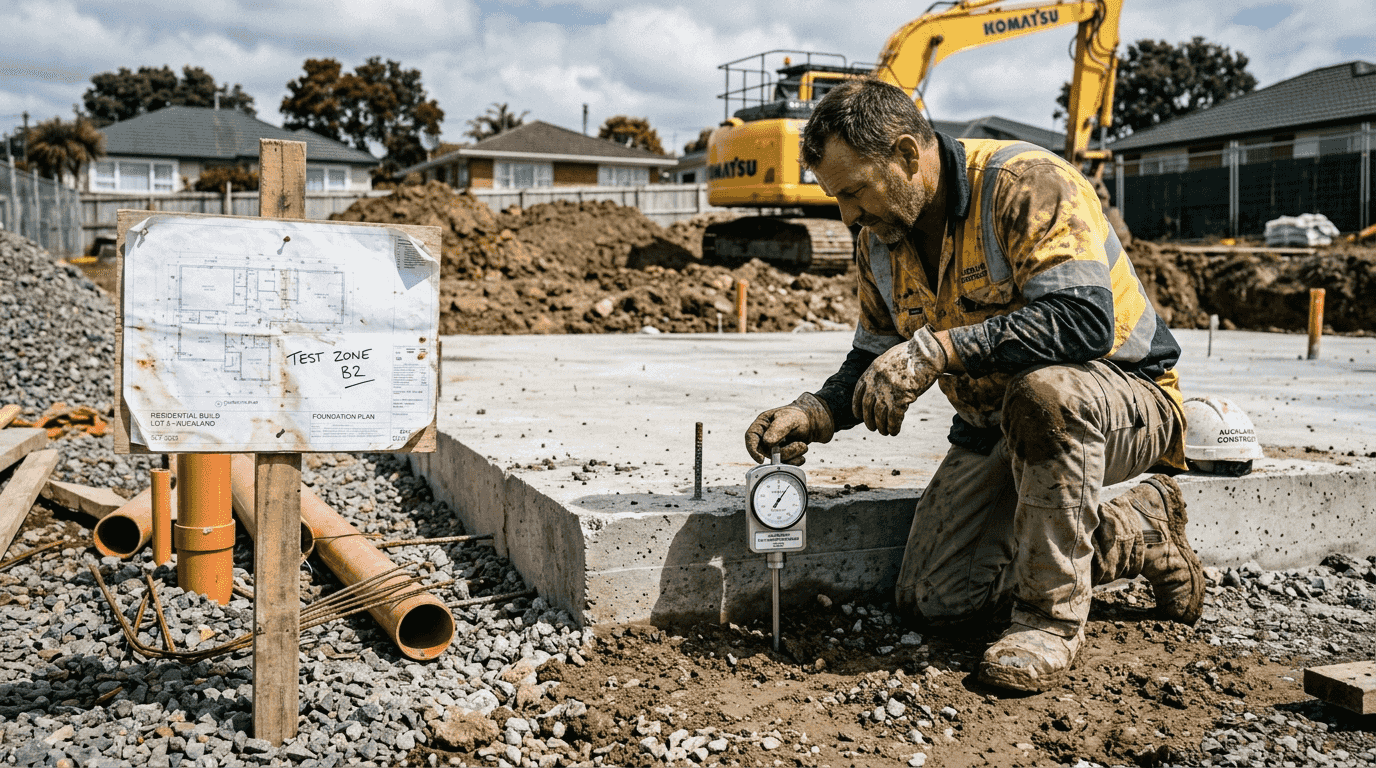
Drainage and erosion control Effective earthworks creates proper site grading and drainage infrastructure that manages Auckland’s significant rainfall. Sites without adequate drainage experience flooding, erosion, and water infiltration that damages foundations and landscaping. Proper earthworks reduce risks of foundation failure, flooding, and costly project delays by addressing water management proactively.
Regulatory compliance Auckland Council and New Zealand building codes mandate specific earthworks standards for construction projects. Compliance ensures projects receive necessary consents and pass inspections. Non compliant earthworks lead to stop work orders, expensive rework, and project delays that blow budgets and timelines.
“Quality earthworks is the single most important factor in preventing construction delays and cost overruns. Sites prepared to engineering standards avoid the foundation problems, drainage issues, and compliance failures that plague poorly executed projects.”
Risk mitigation Comprehensive earthworks identifies and addresses potential site challenges before construction begins. Soil testing, geotechnical assessment, and proper preparation minimise risks like unexpected soil conditions, contamination, or unstable ground that halt projects mid construction. This proactive approach protects project timelines and budgets.
Efficiency and timeline benefits Well executed earthworks streamlines subsequent construction phases. Contractors working on properly prepared sites complete work faster and with fewer complications. The site preparation essentials Auckland approach prevents rework and keeps projects on schedule.
Key considerations for hiring earthworks contractors in Auckland
Selecting qualified earthworks contractors directly impacts project success. The right contractor brings expertise, equipment, and local knowledge that ensures quality outcomes within budget and timeline constraints.
Experience and project portfolio Prioritise contractors with proven experience on projects similar in size, scope, and complexity to yours. Review their portfolio for residential subdivisions, commercial developments, or infrastructure projects matching your requirements. Experienced contractors anticipate challenges specific to Auckland conditions and implement solutions proactively.
Certifications and compliance Verify contractors hold necessary licences, certifications, and insurance coverage required for Auckland construction projects. Check their safety records and compliance history with Auckland Council regulations. Experienced contractors with local expertise deliver safer, compliant, and timely earthworks that meet all regulatory requirements.
Equipment and technology Confirm contractors operate modern, well maintained equipment suited to your site conditions. GPS guided grading systems, laser levelling technology, and advanced compaction equipment improve accuracy and efficiency. Adequate equipment availability prevents delays caused by breakdowns or scheduling conflicts.
Local knowledge and expertise Auckland’s diverse geology and microclimates demand contractors who understand local soil types, weather patterns, and drainage requirements. Contractors familiar with specific suburbs and their unique conditions deliver better outcomes than those lacking regional experience.
Communication and project management Assess contractor communication style and project management capabilities during initial consultations. Clear, responsive communication prevents misunderstandings and keeps projects on track. Contractors who provide detailed proposals, regular progress updates, and transparent pricing build trust and facilitate smooth project execution.
References and case studies Request client references and case studies demonstrating successful project completion. Contact previous clients to verify contractor reliability, quality standards, and problem solving abilities. This due diligence reveals how contractors handle challenges and whether they deliver on commitments.
Pro Tip: Ask potential earthworks contractors Auckland specialists for detailed methodology statements explaining how they’ll address your site’s specific challenges, from soil type to drainage requirements, to assess their technical competence.
Partner with Bromley Group for expert earthworks in Auckland
When your construction project demands reliable, compliant earthworks executed by experienced professionals, Bromley Group delivers comprehensive solutions tailored to Auckland conditions. Our expertise spans residential and commercial projects, from site cuts and foundations to complex subdivision developments requiring precise grading and drainage infrastructure.
Our earthworks contractors Auckland team combines modern equipment with deep local knowledge to prepare sites that meet engineering specifications and regulatory requirements. Whether you’re planning a residential development or need subdivision civil contractors for infrastructure projects, we deliver quality earthworks that forms the foundation for successful construction. Request a quote Auckland today to discuss your project requirements and receive a detailed proposal outlining our approach to your specific site challenges.
What is earthworks?
What exactly does earthworks include in construction projects?
Earthworks is the process of preparing land for construction by moving or modifying soil to create stable building platforms. It includes excavation to required depths, grading to achieve proper drainage slopes, and compaction to increase soil density and load bearing capacity. Earthworks contractors Auckland specialists also install drainage infrastructure and implement erosion controls. Experienced contractors ensure all work complies with Auckland Council regulations and New Zealand building standards, preventing future structural problems and regulatory issues.
How does earthworks impact construction project timelines?
Proper earthworks prevents unexpected soil issues and delays by addressing site challenges proactively during the preparation phase. Quality earthworks completed to engineering specifications allows subsequent construction phases to proceed smoothly without interruptions from foundation problems or drainage failures. Contractor expertise in earthworks planning helps streamline timelines by coordinating equipment, managing weather impacts, and scheduling work efficiently. Projects that invest in comprehensive earthworks upfront typically complete faster overall than those attempting shortcuts that require costly rework later.
What should I look for in an earthworks contractor in Auckland?
Prioritise contractors with extensive local experience on projects similar to yours, proper certification and insurance coverage, and modern equipment suited to Auckland conditions. Check references from previous clients and verify their understanding of local soil types, drainage requirements, and Auckland Council regulations. Look for clear communication, detailed proposals, and transparent pricing that demonstrates professionalism. The best earthworks contractors Auckland specialists provide methodology statements explaining how they’ll address your site’s specific challenges and deliver compliant, quality outcomes.
Are there special regulations for earthworks in Auckland?
Yes, earthworks projects in Auckland must comply with Auckland Council rules covering site preparation, erosion control, and stormwater management, plus New Zealand building codes for foundation preparation and soil compaction. Projects exceeding certain thresholds require resource consents and engineering certification. Proper earthworks ensures adherence to environmental regulations protecting waterways from sediment runoff and safety standards for excavation depth and slope stability. Experienced contractors navigate these regulatory requirements efficiently, securing necessary approvals and delivering compliant work that passes inspections.
Recommended